
Overview
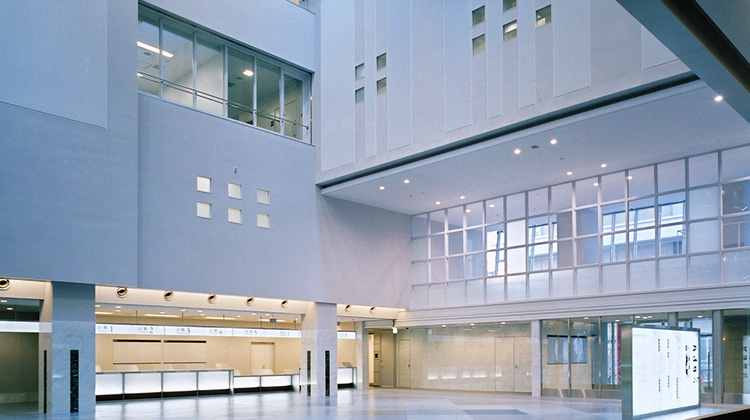
Diagnostic Imaging Center provides imaging and diagnostic services for patients at the affiliated hospital, and is staffed by radiologists, diagnostic radiographers, nurses, and administrative staff. The reception desk for imaging is located on the first floor of the affiliated hospital, under the name of the Imaging Center (No. 13). The imaging equipment is always equipped with the latest models, and the first and basement floors are home to five X-ray rooms, three fluoroscopy units, four CT units, five MRI units, four nuclear medicine units including a PET unit, two mammography units (capable of breast biopsies), one dental pantomography unit, one lithotripter, and one X-ray bone mineral quantification unit. The center also handles portable X-rays for patients in the wards. In addition, imaging tests performed outside of our center include one X-ray room, one CT scanner, one RI scanner, and one angiography scanner in Emergency Medical Center, four angiography scanners in Intravascular Treatment Center, and a hybrid angiography scanner in the central operating room that enables the combination of conventional surgery and catheter procedures.We also work with each department to provide cross-sectional support for these tests.
Examinations are performed by a multidisciplinary team, primarily consisting of radiologists certified by the Japan Society of Radiological Sciences, radiological technologists with specialized qualifications certified by the Japanese Society of Radiological Technology, and nurses and nursing assistants with extensive experience in diagnostic radiology. Diagnostic results are promptly reported by the radiologists to the relevant clinical departments. Furthermore, our hospital properly manages medical radiation and has been certified as a "medical exposure reduction facility" by the Japan Society of Radiological Technologists. Regarding radiation exposure from CT scans, which have attracted considerable public attention, we actively incorporate new technologies, such as the use of new CT systems and the application of iterative approximation, to reduce radiation doses. In particular, we may be able to perform pediatric scans with low tube voltages and, in some cases, coronary artery CT scans with extremely low doses, using specialized equipment.
In this way, Diagnostic Imaging Center makes every effort to provide the best possible images for medical treatment safely and quickly, and to ensure that patients can undergo examinations with peace of mind.
Director of Diagnostic Imaging Center
Toru Niwa